Count Fleet: A Racing Legend of the 1940s
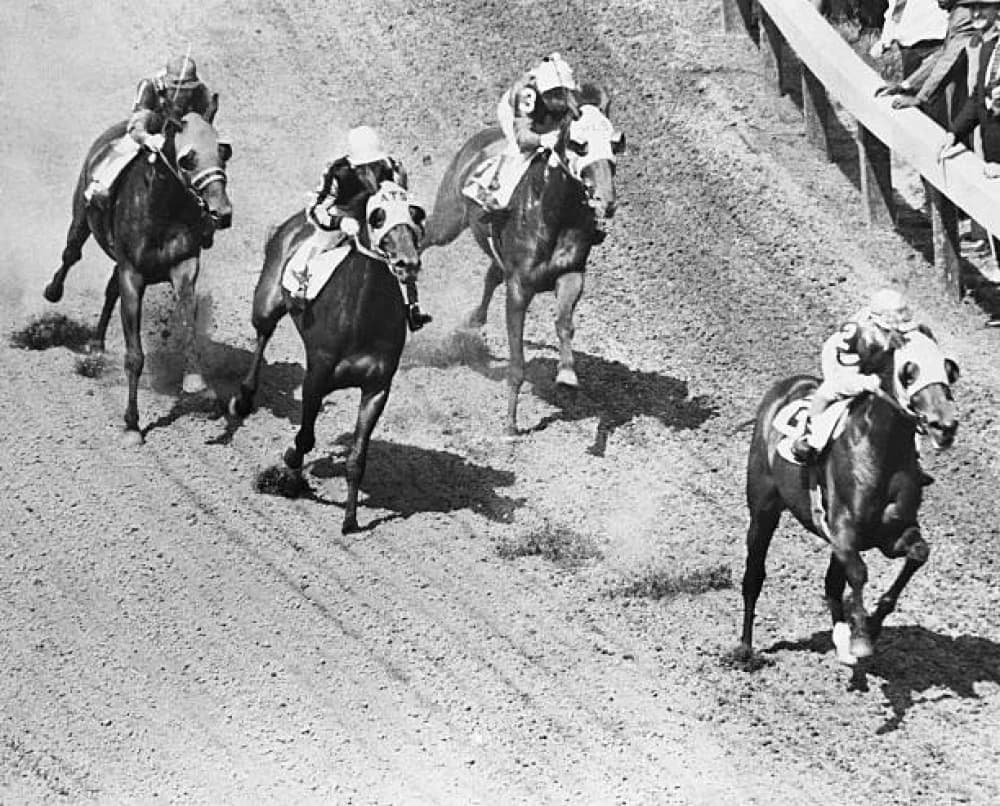
Count Fleet, an extraordinary American Thoroughbred, captured the hearts of racing fans in the 1940s with his unparalleled speed and resilience, leaving a lasting mark on the sport.
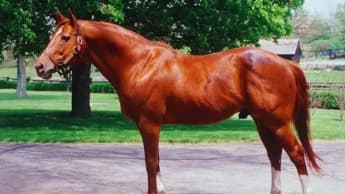
Count Fleet is celebrated as an iconic American Thoroughbred racehorse that reigned over the racing world in the early 1940s, securing his legacy as one of the greatest competitors in the sport's history. Born on April 28, 1940, he was a bay colt, the offspring of Reigh Count and the mare Quickly. His initial racing career displayed significant potential, but it was in 1943 that he truly captivated the hearts of fans. Guided by the esteemed trainer John M. Gaver, Count Fleet exhibited remarkable speed, stamina, and resilience—traits that distinguished him from his rivals and earned him recognition as one of the sport's elite athletes.
Count Fleet’s initial training and racing experiences showcased his potential, but it was in 1943 that he truly excelled, attaining a level of dominance that few horses throughout history have been able to replicate. His career featured an undefeated season, an impressive win in the Triple Crown, and numerous other significant victories, all of which contributed to his iconic reputation in the horse racing community.
Significant Achievements
Triple Crown Victory (1943): Count Fleet achieved remarkable success by sweeping the Triple Crown in 1943. His performances in the Kentucky Derby, Preakness Stakes, and Belmont Stakes were nothing less than spectacular. He won all three races by significant margins, often with substantial ease, solidifying his status as one of the most powerful competitors in American racing history. Notably, his victory in the Kentucky Derby was especially impressive, as he won by an impressive 3 lengths and set a new record for the race at that time.
Undefeated in 1943: The 1943 season of Count Fleet is legendary, not only for his triumph in the Triple Crown but also because he maintained an undefeated record throughout the entire year. He achieved victories in all 8 of his races that year, showcasing remarkable consistency and the ability to perform at the top level across various tracks and distances. This achievement was extraordinary during a time when competition in major races was intense, further establishing Count Fleet's status as one of the most exceptional racehorses in history.
Dominance Over Rivals: Although winning the Triple Crown is the highest achievement for any thoroughbred, Count Fleet's successes extended beyond just these prestigious races. He excelled in numerous significant competitions, including the Wood Memorial Stakes, where he outperformed many of the leading horses of his era, solidifying his position as the finest in his cohort. His capability to secure victories in various types of races showcased his remarkable versatility and superiority compared to his contemporaries.
Retirement and Conclusion of Career: Following his remarkable 1943 season, Count Fleet stepped away from racing due to health complications. Although he competed for only a few years, his influence on the sport was profound. Even with a relatively short career, his legacy endures and continues to inspire horse racing fans and industry professionals.
Performance Metrics
Statistic
Information
Number of Races
21
Victories
16
Position
2
Exhibit
1
Total Earnings
$1,125,475
Resilience & Comebacks
Although Count Fleet's racing career was comparatively brief, it was filled with challenges. In 1943, he was nearly unbeatable on the racetrack, yet he, like many racehorses, encountered various obstacles throughout his time in racing. A major hurdle he had to overcome involved physical issues, such as leg injuries and the pressures associated with competing during a highly competitive era.
In spite of these obstacles, Count Fleet showcased remarkable resilience. His journey of recovery was particularly highlighted by his performances after he bounced back from injuries, notably when he returned to compete at the highest level and achieved his Triple Crown victory. Many of his rivals anticipated that he would eventually stumble, yet Count Fleet continually surpassed their expectations, often winning by significant margins, demonstrating that he was not only an exceptional physical athlete but also a mentally strong competitor.
Enduring Legacy
The legacy of Count Fleet goes well beyond his wins and statistics. He is frequently celebrated as one of the top racehorses in history, often mentioned in the same breath as other icons such as Seabiscuit, Secretariat, and Man o' War. His extraordinary performance in 1943, coupled with his triumph in the Triple Crown, positioned him as a true legend in horse racing. In 1955, he was inducted into the National Museum of Racing and Hall of Fame, highlighting his enduring influence on the sport.
His impact extended beyond his racing days and into breeding. Count Fleet's lineage has played a significant role in shaping future generations of racehorses, transmitting qualities such as speed, stamina, and mental resilience to countless offspring. Although he may not have been as renowned a sire as some of his contemporaries, Count Fleet's heirs have upheld his legacy and played a part in the continuous advancement of thoroughbred racing.
Future Prospects
Although Count Fleet’s racing career was cut short due to health issues, his legacy remains a source of inspiration for both horse racing fans and trainers. Future generations of racehorses will surely be evaluated against Count Fleet with respect to their racing prowess and resilience. As advancements in racing technology and knowledge progress, it is likely that new trainers and equine athletes will arise, embodying traits akin to those of Count Fleet—such as speed, stamina, and the capability to overcome the sport’s greatest obstacles. Despite his short-lived career, Count Fleet’s impact on the sport is profound, and his name will forever be inscribed in the annals of thoroughbred racing history.
Count Fleet's remarkable victories in 1943 continue to set a standard of excellence within the sport. His achievements highlight the timeless qualities that define a truly legendary racehorse: innate talent, unwavering determination, and the bravery to confront challenges directly.